Source customized logo lined notebook for Promotion, Gift, and School
Explore 30 listings of customized logo lined notebook options featuring PU, leather, and fabric covers with various page counts. Buyers can compare models like A2056OEM and A203620NB01 for school, gift, or promotional needs.
Key considerations
Products List


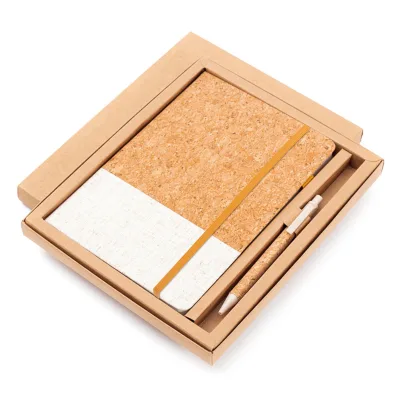


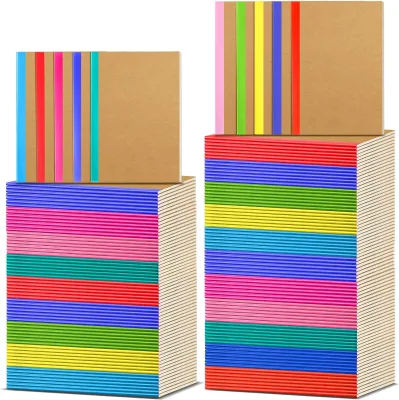

Comprehensive Sourcing Guide
Strategic Sourcing Guide for Customized Logo Lined Notebooks
Understanding Product Specifications and Variability
When sourcing customized logo lined notebooks, buyers must first navigate the inherent variability in product specifications found within the B2B marketplace. The core keyword implies a specific combination of functional and aesthetic features: a lined interior for writing, a customizable logo for branding, and a notebook format suitable for business or promotional use. However, the actual product data reveals a wide spectrum of configurations that do not all align with a single definition.
The physical dimensions and standards vary significantly across available listings. Some products adhere to the A5 standard, while others are listed with customizable sizing or specific model codes such as A2056OEM, A203620NB01, and A2075notebook. The "Style" attribute also fluctuates, with options ranging from "Printed" and "Hardcover" to "BStyle:Hardcover." Buyers should not assume that all lined notebooks share the same footprint; verification of the exact size standard is a critical first step in the procurement process.
Interior page construction is another area of high variability. The observed data indicates that inner page counts range from 40-60 sheets to 70-80 sheets, and even up to 80-120 sheets. The printing format on these pages is equally diverse, with options including "Grid," "Horizontal Line," and "Blank." While the search term specifies "lined," a supplier might offer a "Grid" or "Blank" variant that requires specific confirmation to ensure it meets the "lined" requirement. The binding method is consistently observed as "Sewing Thread," which suggests a durable construction capable of withstanding frequent use, a key attribute for business notebooks.
Material Composition and Cover Durability
The durability and perceived value of a notebook are largely dictated by its cover material. In the context of customized logo lined notebooks, the market offers distinct material profiles that influence both cost and application. The data highlights three primary cover types: PU (Polyurethane), Leather, and Hard Paper, with additional mentions of Fabric and Faux PU Leather.
PU and Faux PU Leather covers are frequently associated with a premium feel and are often paired with the "Diary" or "Journal Notebook" types. These materials are generally more resistant to wear and tear compared to standard paper covers, making them suitable for high-value promotional gifts or executive business notebooks. The "Leather" option listed in the data suggests a genuine or high-quality synthetic alternative that commands a different price point and aesthetic than the "Hard Paper" variant.
The choice of cover material also impacts the customization process. A PU or Leather cover typically allows for embossing, debossing, or screen printing of a customized logo, whereas a Hard Paper cover might require different application techniques. Buyers must verify the specific material composition with the supplier, as the term "Customized" appears in the material attribute, indicating that suppliers may offer bespoke material blends. Additionally, the presence of a "Lock" attribute is noted as "Without Lock" in the provided data, suggesting that the standard offering is a simple open notebook rather than a locked journal, which is a crucial distinction for security-conscious buyers.
Customization Capabilities and Branding Integration
The ability to apply a customized logo is a central requirement for this product category. The data confirms that "Customization" is available and that suppliers explicitly "Accept Customized Logo." This capability allows businesses to transform a generic notebook into a powerful branding tool. However, the scope of customization extends beyond just the logo placement.
The "Item Name" and "Model Name" fields indicate that suppliers often produce notebooks under specific model numbers like A2013notebook or A2029OEM, which may have pre-set customization parameters. The "Usage" attribute lists "Promotion," "Gift," "School," and "Pocket," suggesting that the customization is tailored to fit these diverse contexts. For instance, a notebook intended for a corporate gift might require a high-quality PU cover with a debossed logo, while a promotional item for a school event might utilize a Hard Paper cover with a printed logo.
Buyers must clarify the technical limitations of the customization. While the data confirms that logos are accepted, it does not specify the maximum logo size, the number of colors allowed, or the specific printing technique (e.g., foil stamping, UV printing, or embroidery). The "prod_packing" attribute mentions "CTN" (Carton) and "Carton Box," indicating that the packaging is also part of the customization equation. Ensuring that the logo application method aligns with the cover material is essential to avoid issues such as peeling or fading over time.
Cost Drivers and Minimum Order Quantities
Understanding the cost structure is vital for budgeting and negotiating. The observed price range in the market is 0.05 to 4 USD, a wide spectrum that reflects the differences in material quality, page count, and customization complexity. A notebook with a PU cover, 80-120 sheets, and a complex logo application will naturally sit at the higher end of this range, while a simple Hard Paper notebook with fewer pages and minimal customization will be at the lower end.
Minimum Order Quantity (MOQ) is a significant factor in the total cost of ownership. The data presents a stark contrast in MOQ requirements, ranging from 1 piece to 3000 pieces. Some listings specify an MOQ of 100 pieces, while others require 1000 pieces. This variability allows buyers to choose a supplier that aligns with their inventory strategy. Small businesses or those testing a new product line might prefer suppliers with lower MOQs, whereas large corporations executing a mass marketing campaign might leverage higher volumes to negotiate better unit prices.
The "prod_standard" attribute often references "MOQ: 1000 PCS" or "customize," indicating that the MOQ can be a negotiable term based on the level of customization requested. Buyers should be prepared to discuss volume tiers, as the unit price often decreases as the order quantity increases. It is also important to consider the "prod_origin," which is listed as "China" or "Guangzhou," as these locations are known for competitive manufacturing costs but may involve different logistics and lead time considerations.
Typical Applications and Usage Scenarios
The versatility of customized logo lined notebooks makes them suitable for a broad range of applications. The "Usage" attribute explicitly lists "Promotion," "Gift," "School," and "Pocket," highlighting their adaptability across different sectors.
In the corporate sector, these notebooks serve as effective promotional items for trade shows, conferences, and client appreciation events. The "Business Notebook" type and "Journal Notebook" model names suggest a professional aesthetic that aligns well with corporate branding. The "Red," "Green," "Yellow," "Purple," "Blue," and "Brown" color options allow companies to match their brand identity or seasonal themes.
For the education sector, the "School" usage tag indicates that these notebooks are viable for student supplies, particularly those with "Horizontal Line" or "Grid" pages that facilitate note-taking and diagramming. The "Pocket" usage suggests a compact size, ideal for students or professionals who need a portable solution. The "Diary" type, with its "Sewing Thread" binding, offers a more personal and durable option for journaling or personal planning, which can also be customized with a logo for a unique gift item.
Supplier Evaluation and Quality Assurance
Evaluating suppliers for customized logo lined notebooks requires a focus on consistency and quality control. The data indicates that products originate from "China (Mainland)" and "Guangzhou," regions with established manufacturing ecosystems. However, the presence of multiple model numbers and varying specifications suggests that buyers must conduct thorough due diligence.
Quality assurance should begin with the verification of material claims. Buyers should request samples to confirm the texture and durability of the "PU," "Leather," or "Hard Paper" covers. The "Sewing Thread" binding should be inspected for tightness and alignment to ensure the notebook stays intact during heavy use. The "Inside Pages Printed" attribute, which includes "Grid," "Horizontal Line," and "Blank," should be checked for print clarity and alignment.
Compliance and certification checks are also necessary, although specific certification data is not provided in the source material. Buyers should inquire about the environmental standards of the paper used, such as whether it is "Woodfree Paper" or sourced from sustainable forests. The "Customized Logo" application should be tested for adhesion and colorfastness to ensure the branding remains intact over time.
Long-Term Procurement Considerations
For buyers planning long-term procurement strategies, the scalability and consistency of the supply chain are paramount. The "prod_packing" attribute, listed as "CTN" or "Carton Box," indicates that the products are ready for bulk shipping, but buyers should verify the packaging standards to prevent damage during transit.
The "prod_model" variations, such as A2056OEM and A203620NB01, suggest that suppliers may have different production lines or capabilities. Maintaining a relationship with a supplier that can consistently deliver the same model specifications is crucial for brand consistency. If a company changes its logo or color scheme, the supplier must be able to adapt the customization process without compromising the quality of the notebook.
Furthermore, the "MOQ" flexibility observed in the data (ranging from 1 to 3000) offers buyers the opportunity to adjust their order volumes based on market demand. This flexibility is particularly valuable for businesses that want to test the market with small orders before committing to larger volumes. However, buyers should also consider the lead times associated with different order sizes, as larger orders with complex customization may require longer production windows.
In conclusion, sourcing customized logo lined notebooks involves a careful balance of technical specifications, material quality, customization capabilities, and cost management. By leveraging the observed data on page counts, cover materials, and model variations, buyers can make informed decisions that align with their specific needs and branding goals. The key to success lies in clear communication with suppliers, rigorous quality control, and a strategic approach to volume and pricing.
FAQs
What page formats are available for lined notebooks?
Available page formats include horizontal lines, grid, and blank options. While the core keyword specifies lined pages, some listings offer grid or blank interiors, so buyers must verify the specific printing format before ordering to ensure it meets their writing needs.
Which cover materials are used for these notebooks?
Common cover materials include PU, leather, hard paper, fabric, and faux PU leather. The choice of material affects durability and perceived value, with PU and leather often used for premium business or gift items compared to standard hard paper options.
Can suppliers accept customized logo requests?
Yes, suppliers explicitly accept customized logo applications on these notebooks. This customization allows businesses to brand the product for promotions or gifts, though the specific printing technique and logo size limits should be confirmed with the manufacturer.
What is the minimum order quantity for these items?
Minimum order quantities vary significantly, ranging from 1 piece to 3000 pieces depending on the supplier. Some listings specify an MOQ of 100 pieces, while others require 1000 pieces, allowing buyers to select a supplier that matches their inventory strategy.
How are these notebooks typically bound?
The notebooks are consistently bound using sewing thread for durability. This binding method ensures the pages stay intact during frequent use, making them suitable for business notebooks and journals that require long-term reliability.
What sizes and standards do these notebooks follow?
Notebooks follow various standards including A5 and customizable sizes, with specific model codes like A2056OEM. The physical dimensions and style, such as hardcover or printed, vary across listings, so exact size verification is required before procurement.
Where are these notebooks manufactured?
These products originate from China, with specific manufacturing hubs in Guangzhou. Buyers should consider the logistics and lead times associated with these locations when planning their supply chain for bulk orders.